


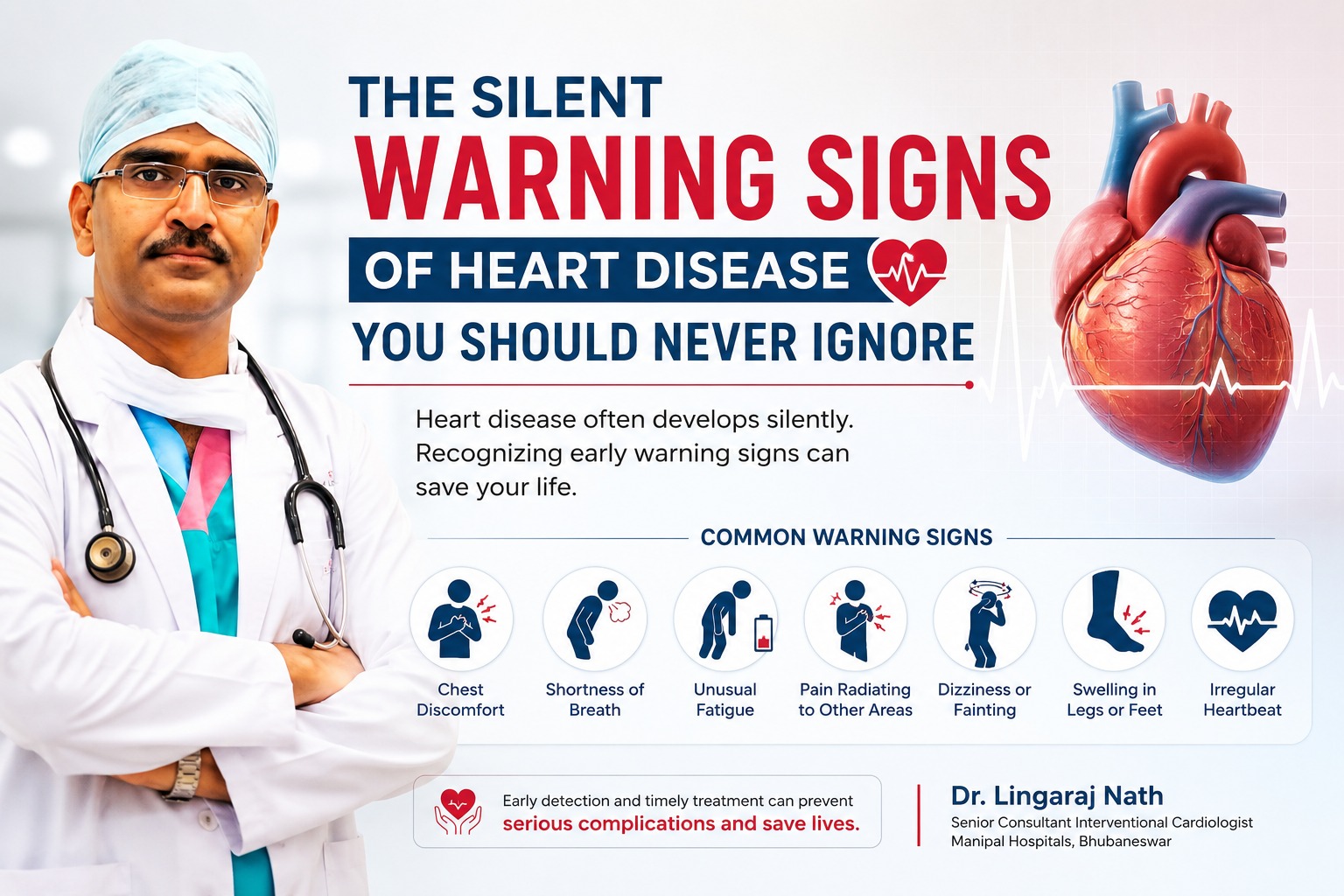
Heart disease remains one of the leading causes of death worldwide, yet many people overlook its early warning signs. While chest pain is often associated with heart problems, the reality is that symptoms can be subtle and easily mistaken for everyday fatigue or stress. Recognizing these signs early can make a significant difference in preventing life-threatening complications.
Why Early Detection Matters
Many cardiovascular conditions develop gradually over several years. During this period, the body often sends warning signals that should never be ignored. Timely diagnosis allows doctors to recommend lifestyle modifications, medications, or medical interventions before the condition becomes severe.
Common Warning Signs of Heart Disease
1. Chest Discomfort
A feeling of pressure, tightness, heaviness, or pain in the chest is one of the most recognized symptoms. It may last for a few minutes or come and go.
2. Shortness of Breath
Difficulty breathing during routine activities or while resting could indicate that the heart is struggling to pump blood efficiently.
3. Unusual Fatigue
Persistent tiredness, especially after performing simple daily tasks, may be an early symptom—particularly among women.
4. Pain Radiating to Other Areas
Discomfort spreading to the arms, shoulders, neck, jaw, or upper back should never be ignored, as it may signal an impending heart attack.
5. Dizziness or Fainting
Sudden dizziness, lightheadedness, or episodes of fainting can indicate reduced blood flow to the brain due to heart-related issues.
6. Swelling in the Legs or Feet
Fluid retention in the lower limbs may suggest heart failure or poor circulation.
7. Irregular Heartbeat
Occasional palpitations can be harmless, but frequent or persistent irregular heartbeats deserve medical evaluation.
Who Is at Greater Risk?
Certain factors increase the likelihood of developing heart disease:
* High blood pressure
* Diabetes
* High cholesterol
* Smoking
* Obesity
* Physical inactivity
* Chronic stress
* Family history of heart disease
* Age above 45 years in men and 55 years in women
Steps You Can Take to Protect Your Heart
Small lifestyle changes can significantly improve heart health:
* Eat a balanced diet rich in fruits, vegetables, whole grains, and lean proteins.
* Exercise for at least 30 minutes on most days of the week.
* Monitor blood pressure, cholesterol, and blood sugar regularly.
* Quit smoking and limit alcohol consumption.
* Maintain a healthy body weight.
* Sleep for 7–8 hours every night.
* Learn healthy ways to manage stress.
When Should You Consult a Cardiologist?
If you experience recurring chest discomfort, unexplained breathlessness, dizziness, or have multiple risk factors for heart disease, do not delay seeking medical advice. Regular cardiac check-ups can identify problems before they become emergencies.
Final Thoughts
Heart disease often develops silently, but your body usually provides early clues. Paying attention to these warning signs and taking preventive action can help protect your heart and improve your long-term health. Prevention, awareness, and timely medical care remain the strongest tools in reducing the burden of cardiovascular disease.