


By Dr. Lingaraj Nath
Senior Consultant Interventional Cardiologist, Manipal Hospitals, Bhubaneswar
For centuries, poets, writers, and artists have described the heart as the epicenter of human emotion. We talk about “heartbreak” when we lose someone we love, or our hearts “leaping for joy” during moments of celebration.
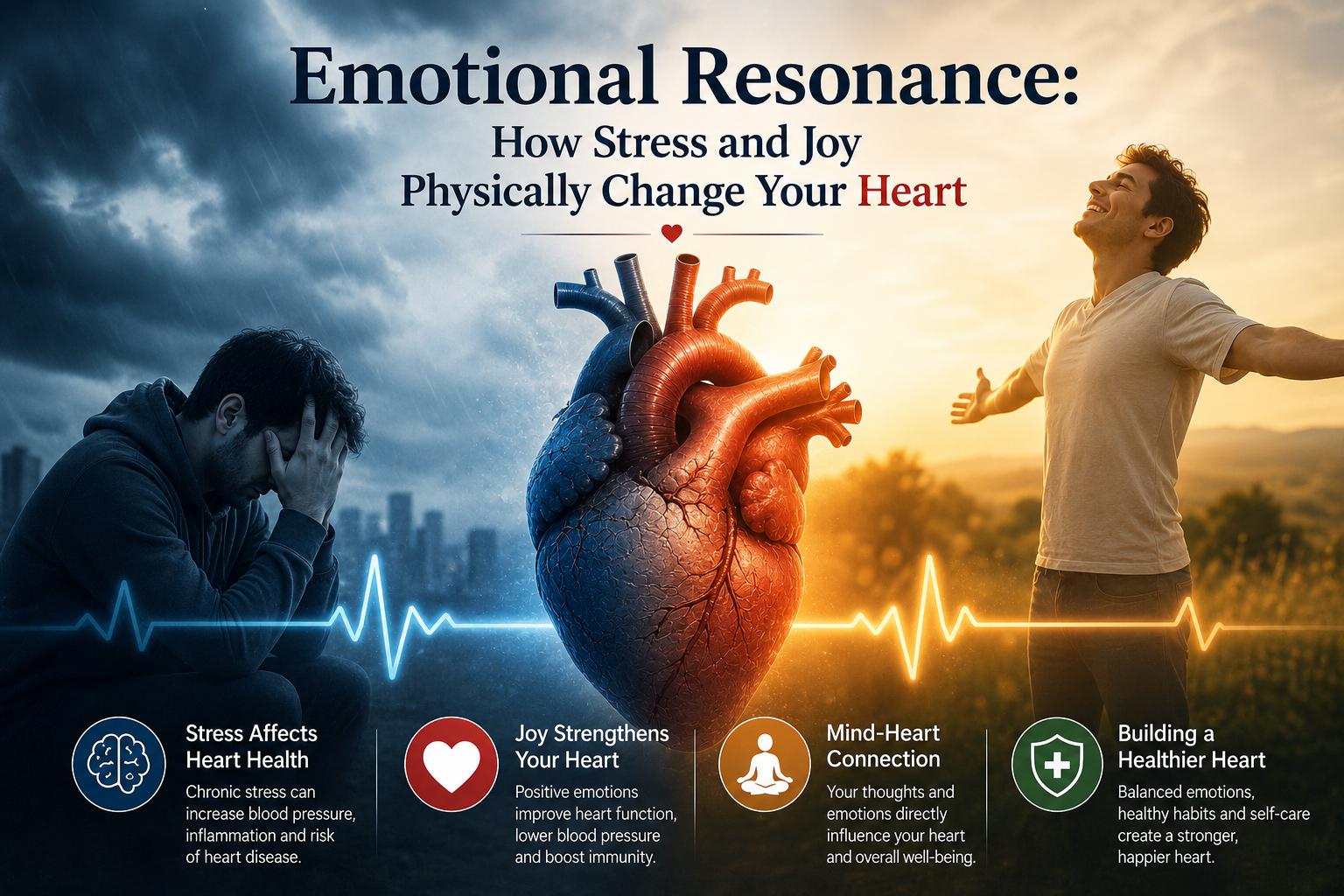
In the past, modern medicine often dismissed these expressions as mere metaphors. Today, however, the field of preventive cardiology confirms that the mind-heart connection is an absolute physiological reality.
Your brain and your heart are locked in a continuous, rapid, two-way conversation through a complex web of nerves, hormones, and chemical signals. When your mind experiences heavy emotional weight, your cardiovascular system bears the physical consequences. Understanding this connection is not just about mental well-being; it is a critical step in preventing life-threatening cardiac events.
The Anatomy of Stress: What Happens Inside Your Arteries?
When you encounter a stressful situation—whether it is a looming deadline at work, financial anxiety, or an argument with a family member—your brain’s alarm system (the amygdala) instantly fires. It signals your body to prepare for a “fight-or-flight” response, flooding your bloodstream with powerful stress hormones like cortisol and adrenaline.
While this hormonal surge is helpful if you need to escape immediate physical danger, living in a state of chronic, unmanaged stress means your body never turns the alarm off. Over months and years, this constant influx of stress hormones alters your cardiovascular anatomy in dangerous ways:
* Vessel Constriction: Adrenaline causes your blood vessels to narrow. This forces your heart to pump much harder to circulate blood, directly elevating your blood pressure.
* Arterial Inflammation: Chronic cortisol exposure promotes systemic inflammation. This irritates the delicate inner lining of your arteries, making it significantly easier for cholesterol and plaque to build up.
* Sticky Blood: Stress increases the reactivity of blood platelets. This makes your blood “stickier” and substantially increases the risk of blood clots, which are the primary trigger for heart attacks and strokes.
Can a Heart Truly “Break”?
Yes. In clinical cardiology, we recognize a very real condition known as Takotsubo Cardiomyopathy, colloquially called “Broken Heart Syndrome.”
This condition is typically brought on by a sudden, severe emotional shock—such as the unexpected death of a loved one, a traumatic breakup, or even acute catastrophic stress.
During such an event, an overwhelming surge of stress hormones literally “stuns” the heart muscle. The left ventricle of the heart temporarily changes shape, ballooning out and losing its ability to pump blood effectively. Patients present to the emergency room with symptoms that perfectly mimic a classic heart attack: severe chest pain, shortness of breath, and abnormal electrocardiograms (ECGs).
While most patients fully recover with proper medical management within a few weeks, Broken Heart Syndrome stands as undeniable medical proof that our deepest emotions directly impact our cardiac physical form.
The Good News: Joy and Laughter Are Clinical Medicine
Just as negative emotions can damage your blood vessels, positive emotional states act as a shield for your heart. The old saying “laughter is the best medicine” is backed by rigorous clinical data.
When you experience joy, share a deep connection with a friend, or laugh heartily, your brain releases a cocktail of “feel-good” chemicals, including endorphins and nitric oxide.
* Nitric oxide causes the smooth muscles in your blood vessels to relax and dilate (open up).
* This dilation instantly lowers blood pressure and improves overall blood flow.
* Regular moments of joy and relaxation actively reduce arterial stiffness and lower systemic inflammation.
In short, cultivating happiness isn’t a luxury; it is a legitimate form of preventive medicine that keeps your cardiovascular system resilient.
A Cardiologist’s Daily Prescription for “Emotional Cardio”
Protecting your heart requires treating your mind with the same discipline you apply to your diet or exercise routine. Here are three simple, scientifically proven habits to protect your mind-heart axis:
1. Practice Intentional Breathing (The 5-5-5 Rule): When you feel anxiety rising, stop and inhale deeply for 5 seconds, hold for 5 seconds, and exhale for 5 seconds. Doing this for just three minutes instantly stimulates your vagus nerve, signaling your heart rate to slow down and turning off the fight-or-flight response.
2. Cultivate Social Connectedness: Loneliness and social isolation are major, independent risk factors for heart disease. Prioritize spending quality, uninterrupted time with family, friends, or community groups. Strong social ties actively lower baseline cortisol levels.
3. Burn Off Cortisol through Movement: Physical exercise is one of the fastest ways to clear accumulated stress hormones from your bloodstream. A brisk 30-minute walk after a high-stress day serves a dual purpose: it strengthens the heart muscle while clearing the mind.
Prevention Starts from Within
Caring for your heart involves much more than tracking numbers on a medical chart or taking prescriptions. True cardiovascular health requires a holistic approach that respects the deep bond between your emotional life and your physical body.
Don’t wait for physical symptoms to appear before you start managing your mental load. Protect your peace of mind today, because your heart is listening to every thought.