


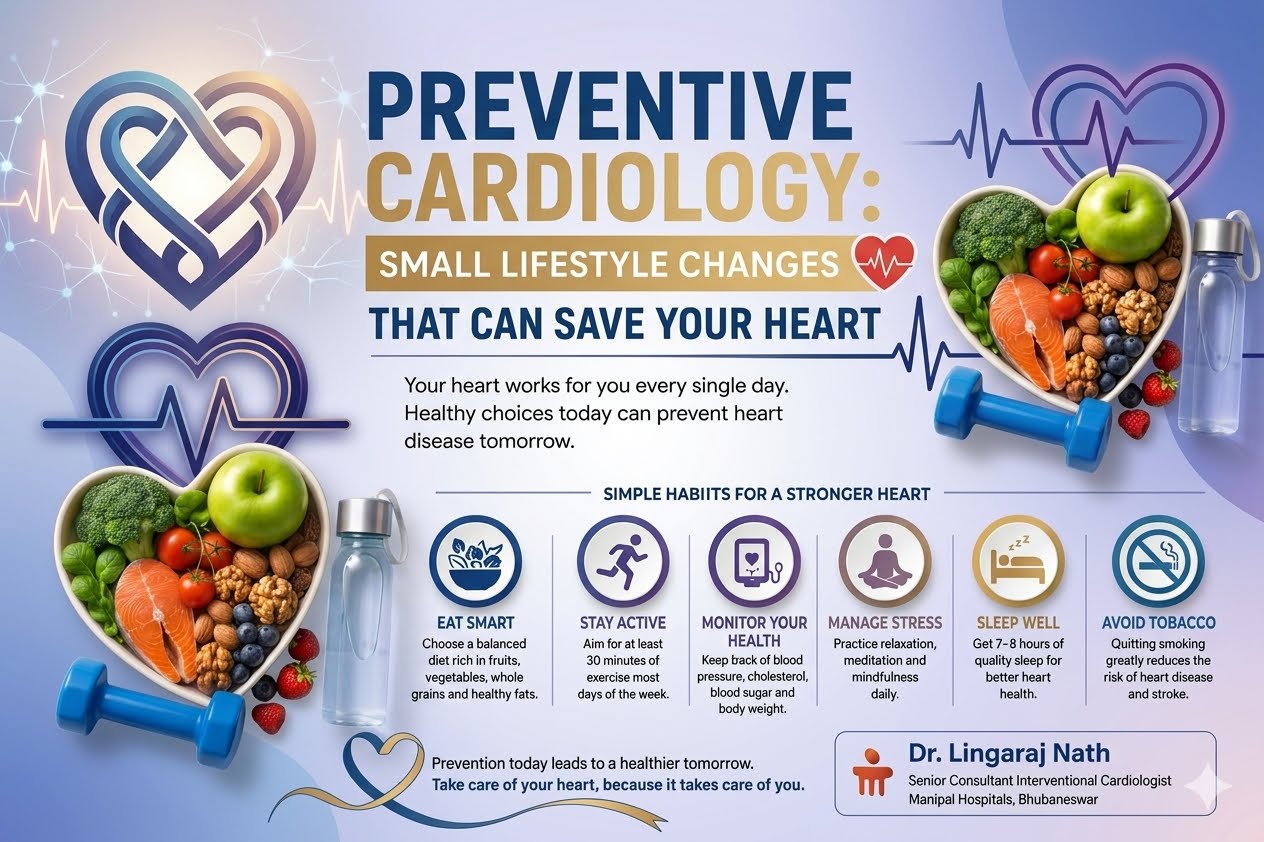
When it comes to heart health, prevention is always better than treatment. Modern medicine has made remarkable advances in treating heart disease, but the most effective strategy is preventing it from developing in the first place. Preventive cardiology focuses on identifying risk factors early and encouraging healthy habits that keep the heart functioning optimally throughout life.
What Is Preventive Cardiology?
Preventive cardiology is a proactive approach aimed at reducing the risk of heart attacks, strokes, and other cardiovascular diseases. It combines regular health screenings, medical guidance, and sustainable lifestyle improvements to protect heart health before serious problems arise.
Why Prevention Is Important
Many people feel perfectly healthy even when risk factors such as high blood pressure, diabetes, or elevated cholesterol are silently damaging their arteries. Early intervention helps prevent complications and reduces the need for invasive treatments later in life.
Simple Habits That Make a Big Difference
Eat Smart
Choose foods that nourish your heart:
* Fresh fruits and vegetables
* Whole grains
* Healthy fats from nuts and seeds
* Fish rich in omega-3 fatty acids
* Low-fat dairy products
Reduce the intake of processed foods, sugary beverages, excessive salt, and saturated fats.
Stay Physically Active
Aim for at least 150 minutes of moderate exercise every week. Walking, cycling, swimming, yoga, and light strength training all contribute to better cardiovascular health.
Monitor Your Health Numbers
Regular health check-ups help detect hidden risk factors early. Keep track of:
* Blood pressure
* Cholesterol levels
* Blood sugar
* Body weight
* Waist circumference
Manage Stress Effectively
Chronic stress can negatively affect blood pressure and heart function. Practicing meditation, deep breathing, mindfulness, and maintaining a healthy work-life balance can reduce cardiovascular risk.
Get Quality Sleep
Poor sleep is increasingly recognized as an independent risk factor for heart disease. Adults should aim for 7–8 hours of quality sleep every night.
Avoid Tobacco
Smoking significantly damages blood vessels and increases the risk of heart attacks and strokes. Quitting tobacco remains one of the most impactful decisions for long-term heart health.
Regular Cardiac Screening Saves Lives
Even if you have no symptoms, regular cardiac evaluations become increasingly important if you:
* Are over 40 years of age
* Have diabetes or hypertension
* Have a family history of heart disease
* Lead a sedentary lifestyle
* Are overweight or obese
A personalized risk assessment allows your cardiologist to recommend appropriate preventive measures.
Prevention Is a Lifelong Commitment
Heart health is built through consistent daily choices rather than occasional efforts. Small improvements—whether choosing healthier meals, taking daily walks, or attending regular health check-ups—can collectively reduce the risk of serious cardiovascular events.
Conclusion
A healthy heart is the foundation of a healthy life. Preventive cardiology empowers individuals to take control of their well-being before disease develops. By embracing healthy habits today, you invest in a stronger heart and a healthier future for yourself and your loved ones.